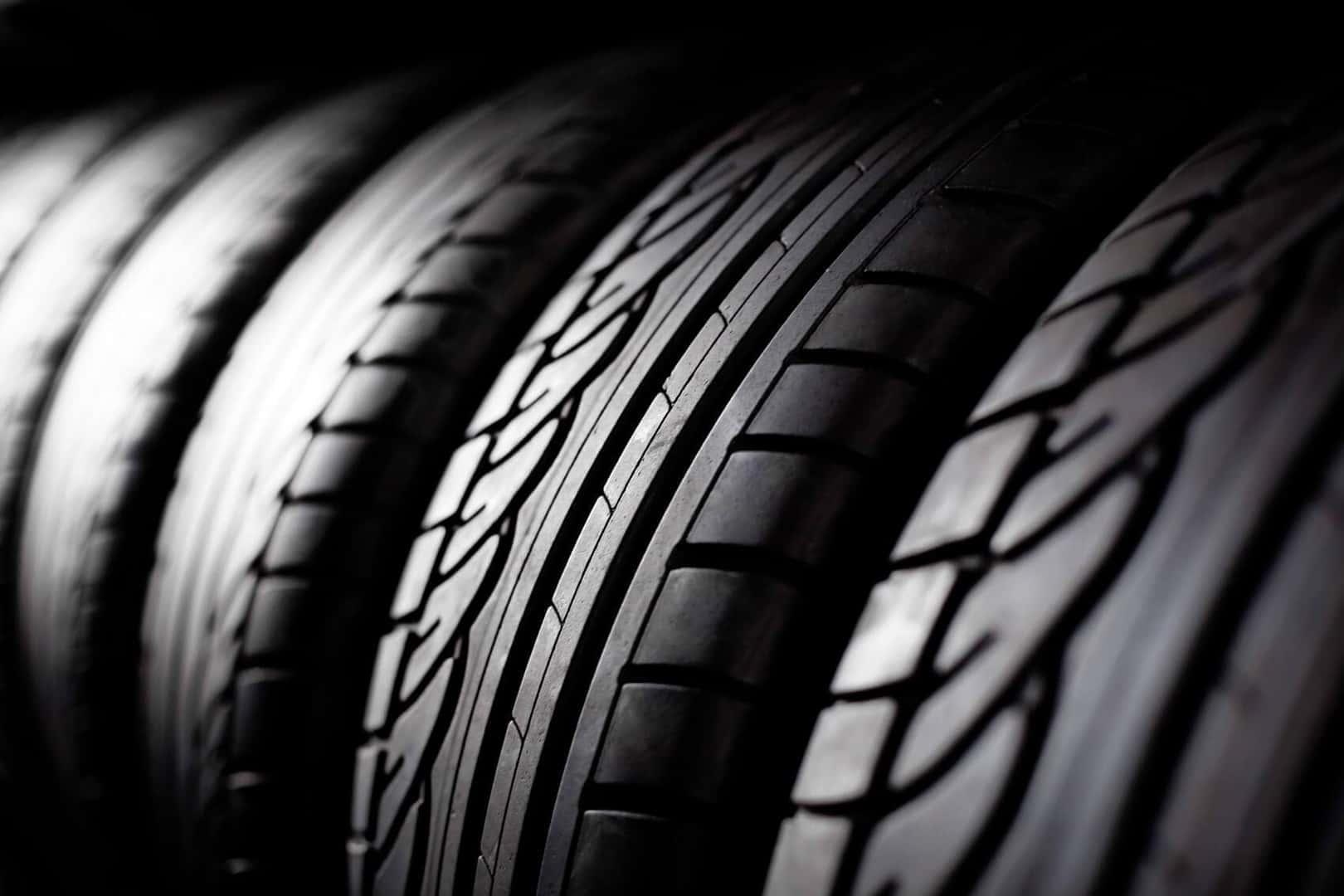
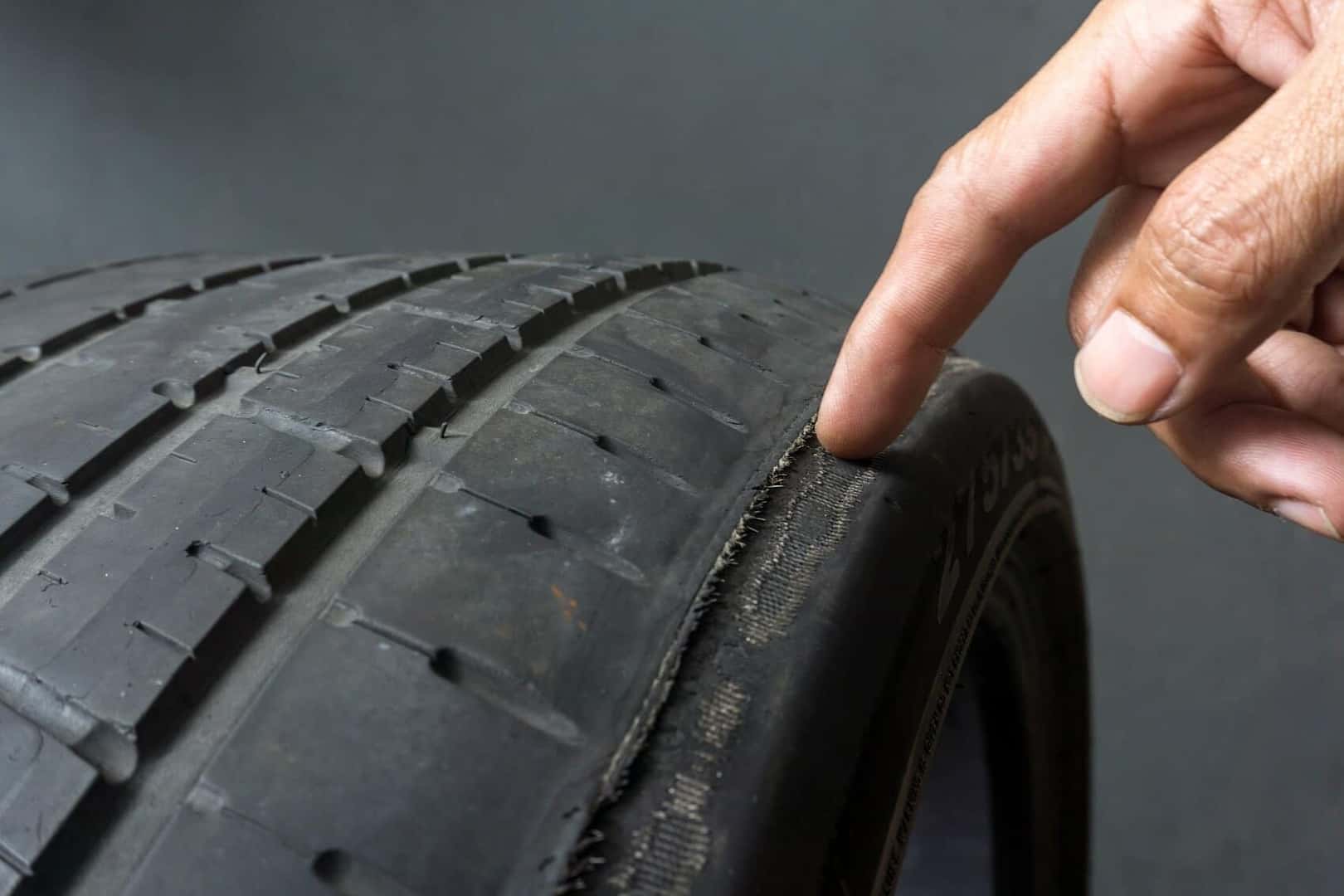
Tire dry rot, also known as sidewall cracking, is a condition that affects the rubber of your tires, causing it to degrade over time. It can lead to visible cracks, reduced flexibility, compromised safety, and a much shorter lifespan for your tires.
As a BMW owner near Norwood, Westwood, or Dedham, MA, understanding tire dry rot is crucial for maintaining optimal vehicle performance and safety.
Luckily, the team here at BMW of Norwood is here to help.
Tire dry rot occurs when the rubber compounds in tires break down due to exposure to environmental factors such as sunlight, ozone, and temperature fluctuations. This degradation weakens the tire's structural integrity, leading to cracks on the sidewall and tread areas. Over time, dry rot causes tires to become brittle and lose their elasticity, increasing the risk of blowouts and other failures while driving.
When left untreated, tire dry rot can cause lasting damage to your tires and much more frequent tire service or tire replacements.
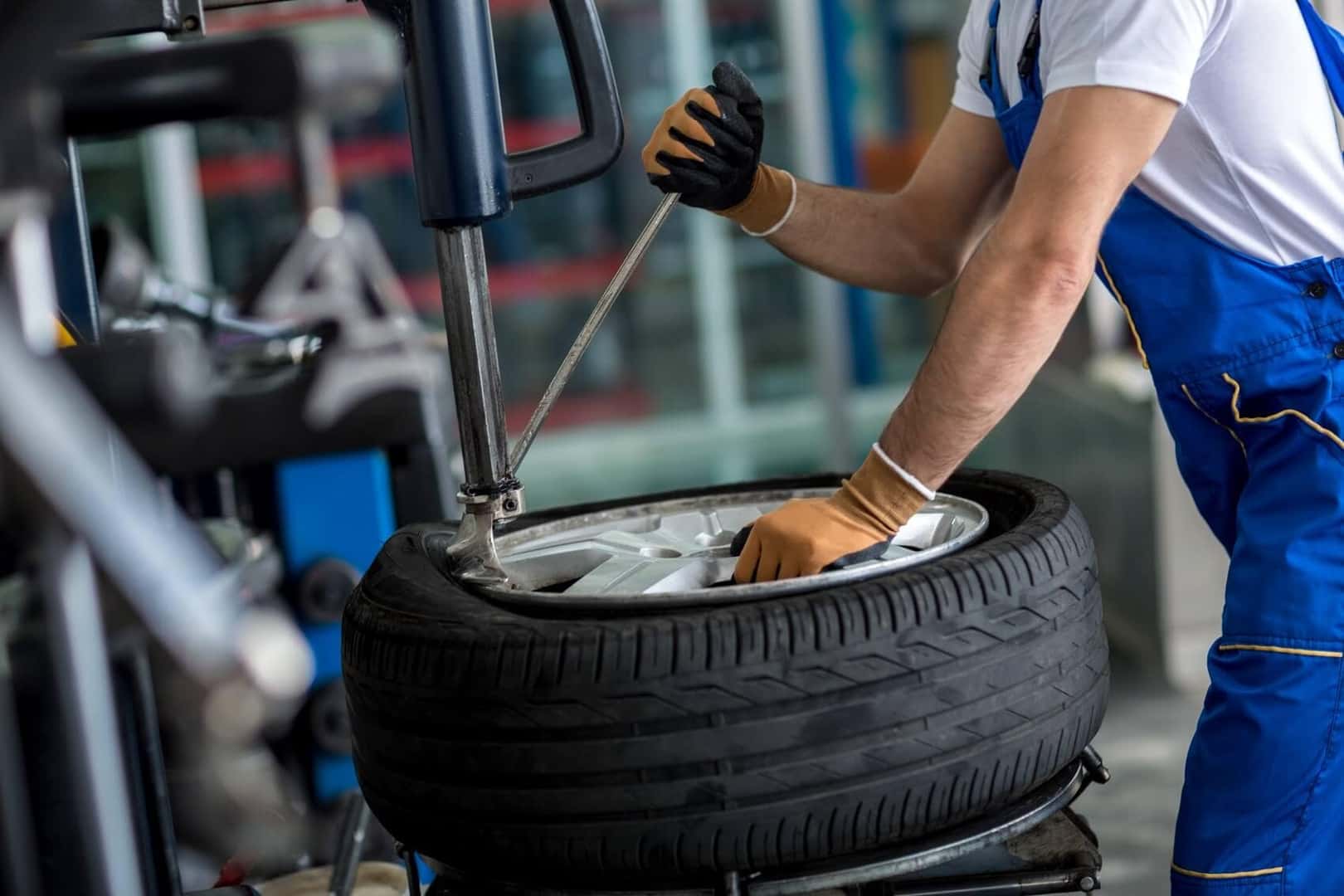
Several factors contribute to the development of dry rot in tires. Knowing some of the causes can help you prevent it during your everyday commute.
Some of the most common causes of tire dry rot include:
Tire dry rot affects the condition and functionality of tires, so it’s crucial to have them serviced as soon as you notice this state of decay.
As important as it is to know the causes of tire dry rot, it’s even more essential to know some of the signs that your tires may have it.
To determine if your tires have dry rot, look for the following signs:
If you notice any of these signs or begin to believe your tires are starting to decay, you should schedule service for them as soon as possible.
While there are products to temporarily seal cracks or protect against further degradation, they are not long-term solutions. So, you’ll want to have your tires serviced by the best to keep them in peak condition and running smoothly.
At our BMW service center, you can look forward to exactly that. With the expertise of our service team, all your tire services are available in one spot.
From regular tire inspections and maintenance to complete tire replacements, you can always count on our team to treat tire dry rot and make your BMW tires feel brand new.
If you suspect your BMW’s tires are affected by dry rot, BMW of Norwood is here to help. Our certified technicians can assess the condition of your tires and recommend appropriate replacements or maintenance to ensure your vehicle's safety and performance on the road.
For all your tire services near Norwood, Westwood, and Dedham, MA, contact us today!